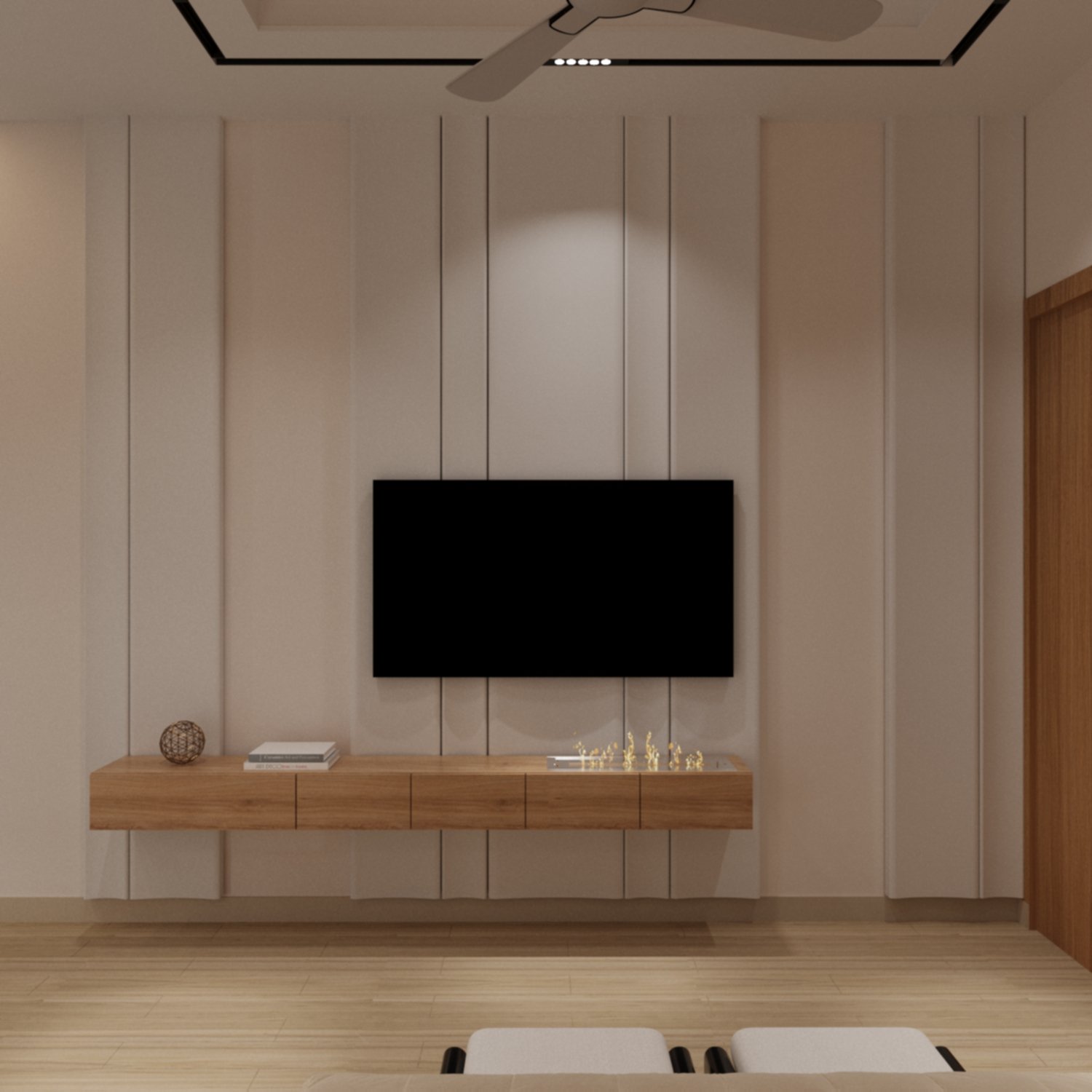
Wooden furniture adds elegance, warmth, and timeless style to any home. But over time, wood surfaces can become dull, scratched, or damaged from moisture, sunlight, and daily use. Using the best wooden polish restores shine, protects the wood, and extends its life. In this complete guide, you’ll learn how to choose, apply, and maintain the best wooden polish for your furniture.
Why Wooden Furniture Needs Polish
Wood is a natural material that reacts to its environment. Dust, sunlight, moisture, and temperature changes can make wood dry, dull, or cracked. Using the best wooden polish nourishes the wood, protects the surface, and restores its natural shine.
Polishing is not just cosmetic—it prolongs furniture life. Hardwoods like oak, teak, and walnut, as well as softwoods like pine and cedar, all benefit from regular polishing. The best wooden polish ensures scratches, water damage, and discoloration are minimized.
Benefits of Using the Best Wooden Polish
Using a high-quality wooden polish offers many advantages:
-
Restores Natural Shine – Makes old or dull furniture look new again.
-
Protects Against Moisture & Stains – Forms a barrier that repels water.
-
Enhances Wood Grain & Color – Highlights natural patterns.
-
Prevents Cracking & Drying – Oils and waxes nourish wood deeply.
-
Makes Cleaning Easier – Dust and dirt wipe off effortlessly.
-
Increases Longevity – Regular polishing maintains furniture quality.
By applying the best wooden polish, you are preserving the investment in your furniture.
Types of Wooden Polish
Selecting the right wooden polish depends on wood type, finish, and purpose:
Wax-Based Polishes
-
Made from beeswax or carnauba wax.
-
Creates smooth, glossy surfaces.
-
Ideal for antique or decorative furniture.
-
Protects against moisture and minor scratches.
Oil-Based Polishes
-
Includes linseed oil, tung oil, and mineral oil.
-
Penetrates deep, nourishing the wood.
-
Prevents drying, cracking, and warping.
-
Perfect for cutting boards, tables, and chairs.
Liquid & Spray Polishes
-
Quick and easy to apply.
-
Provides subtle shine and protection.
-
Ideal for everyday furniture maintenance.
Natural Homemade Polishes
-
Ingredients: olive oil, coconut oil, vinegar, lemon juice.
-
Chemical-free, eco-friendly, safe for children and pets.
-
Works for light polishing and decorative items.
How to Choose the Best Wooden Polish
Consider these factors when picking the best wooden polish:
| Factor | Recommendation |
|---|---|
| Wood Type | Hardwoods: oil-based; Softwoods: wax-based |
| Finish | Glossy: wax; Matte: oil |
| Purpose | Protection: oil; Shine: wax; Convenience: spray |
| Ingredients | Natural for safety; chemical-based for stronger protection |
| Brand | Trusted brands offer consistent results |
Step-by-Step Guide to Polishing Wooden Furniture
Step 1: Clean the Surface
-
Dust thoroughly with a microfiber cloth or vacuum.
-
Use mild soap or wood cleaner for sticky spots.
-
Ensure wood is completely dry.
Step 2: Apply Polish
-
Shake or stir polish.
-
Apply a thin layer using a soft cloth or brush.
-
Always follow the grain of the wood.
Step 3: Buff the Surface
-
Buff in circular motions or along the grain.
-
Removes excess polish and enhances shine.
-
Repeat for a deeper luster if needed.
Step 4: Let it Cure
-
Allow polish to settle for a few hours or overnight.
-
Avoid placing items on freshly polished surfaces.
By following these steps with the best wooden polish, you can achieve a smooth, long-lasting finish.
Common Mistakes to Avoid
-
Over-application – leads to sticky surfaces.
-
Ignoring wood grain – creates uneven finish.
-
Skipping cleaning – dust scratches the polish layer.
-
Using harsh chemicals – may damage wood finish.
-
Polishing too often – can wear down protective layer.
Top 7 Wooden Polishes in 2025
Here are the most recommended wooden polishes:
-
Howard Feed-N-Wax – Wax & oil blend for shine & protection.
-
Old English Lemon Oil – Cleans, protects, adds fresh scent.
-
Pledge Lemon Furniture Polish – Easy spray, streak-free shine.
-
Briwax Wax Polish – Hard wax ideal for antique furniture.
-
Minwax Paste Finishing Wax – Durable protection & color enhancement.
-
Guardsman Clean & Polish – Polishes and removes dust in one step.
-
Weiman Furniture Polish – Deep shine and safeguards against moisture.
DIY Wooden Polish Recipes
For natural alternatives:
Olive Oil & Lemon
-
2 parts olive oil + 1 part lemon juice
-
Apply with soft cloth, buff for shine
Coconut Oil
-
Apply pure coconut oil directly, buff to nourish wood
Vinegar & Olive Oil
-
1 part vinegar + 2 parts olive oil
-
Cleans and polishes simultaneously
Using homemade polish is a safe, eco-friendly way to maintain your furniture.
Maintenance Tips for Long-Lasting Shine
-
Dust regularly with a soft cloth.
-
Avoid direct sunlight or heat sources.
-
Use coasters, mats, and tablecloths to prevent stains.
-
Reapply the best wooden polish every 3–6 months.
-
Treat scratches and spills immediately.
FAQs About Wooden Polish
Q1: How often should I polish wooden furniture?
A1: Every 3–6 months depending on usage and wood type.
Q2: Can oil polish be used on painted furniture?
A2: No, use spray polish for painted surfaces.
Q3: Are DIY polishes safe for kids’ furniture?
A3: Yes, recipes with olive oil, coconut oil, or lemon juice are safe.
Q4: Can polish remove scratches?
A4: Minor scratches can be minimized with wax polish; deep scratches require sanding and refinishing.
Conclusion
Investing in the best wooden polish preserves and enhances furniture beauty. Whether using commercial products like Howard Feed-N-Wax or eco-friendly DIY alternatives, consistent care ensures long-lasting shine and protection. Follow this guide to select, apply, and maintain the best wooden polish for your furniture and enjoy furniture that looks elegant for decades.
Introduction
-
Importance of wooden furniture care
-
How the best wooden polish can restore and protect wood
Table of Contents
-
History of Wooden Polish
-
Why Wooden Furniture Needs Polish
-
Benefits of Using the Best Wooden Polish
-
Types of Wooden Polishes
-
How to Choose the Best Wooden Polish
-
Step-by-Step Guide to Polishing Wooden Furniture
-
Seasonal Care & Maintenance Tips
-
Removing Scratches and Stains Before Polishing
-
Commercial vs Homemade Wooden Polishes
-
Top 10 Wooden Polishes in 2025 (Extended list)
-
DIY Wooden Polish Recipes
-
FAQs About Wooden Polish
-
Conclusion
Sample Expanded Section (to increase content naturally)
History of Wooden Polish
Wood polish has been used for centuries to maintain furniture. Ancient Egyptians used natural oils and waxes, while in Europe, craftsmen developed refined wax and oil mixtures for antique furniture. Today, modern formulations include synthetic blends, silicone sprays, and eco-friendly oils. Understanding the history of wooden polish helps appreciate why certain methods are still best for different wood types.
Seasonal Care Tips
-
Winter: Low humidity can dry wood. Use oil-based polish to prevent cracking.
-
Summer: High heat and sunlight can fade finishes. Use wax or spray polish for protection.
-
Rainy Season: Keep wood dry and polished to prevent moisture absorption and stains.
Polishing Different Wood Types
| Wood Type | Best Polish | Tip |
|---|---|---|
| Teak | Oil-based | Enhances natural grain and durability |
| Oak | Wax or oil | Restores shine and prevents cracking |
| Pine | Wax | Lightens scratches, smooth finish |
| Walnut | Oil-based | Deep nourishment and color enhancement |